Spaceflight
What is spaceflight? Why is it important? And why should we care?
Well, here are the answers to those questions.
What is spaceflight? Why is it important? And why should we care?
Well, here are the answers to those questions.
Here's what it is in Navixian terms.
Spaceflight is the ultimate journey of human exploration, an extraordinary experience that pushes the boundaries of what we know and challenges our understanding of the universe. It is a voyage that takes us beyond the confines of our planet and propels us into the vast expanse of space. The sensation of weightlessness, the sight of Earth from above, and the realization that we are just a tiny part of something much bigger—all of these experiences make spaceflight a unique and life-changing adventure.
Well, like a once-in-a lifetime experience.
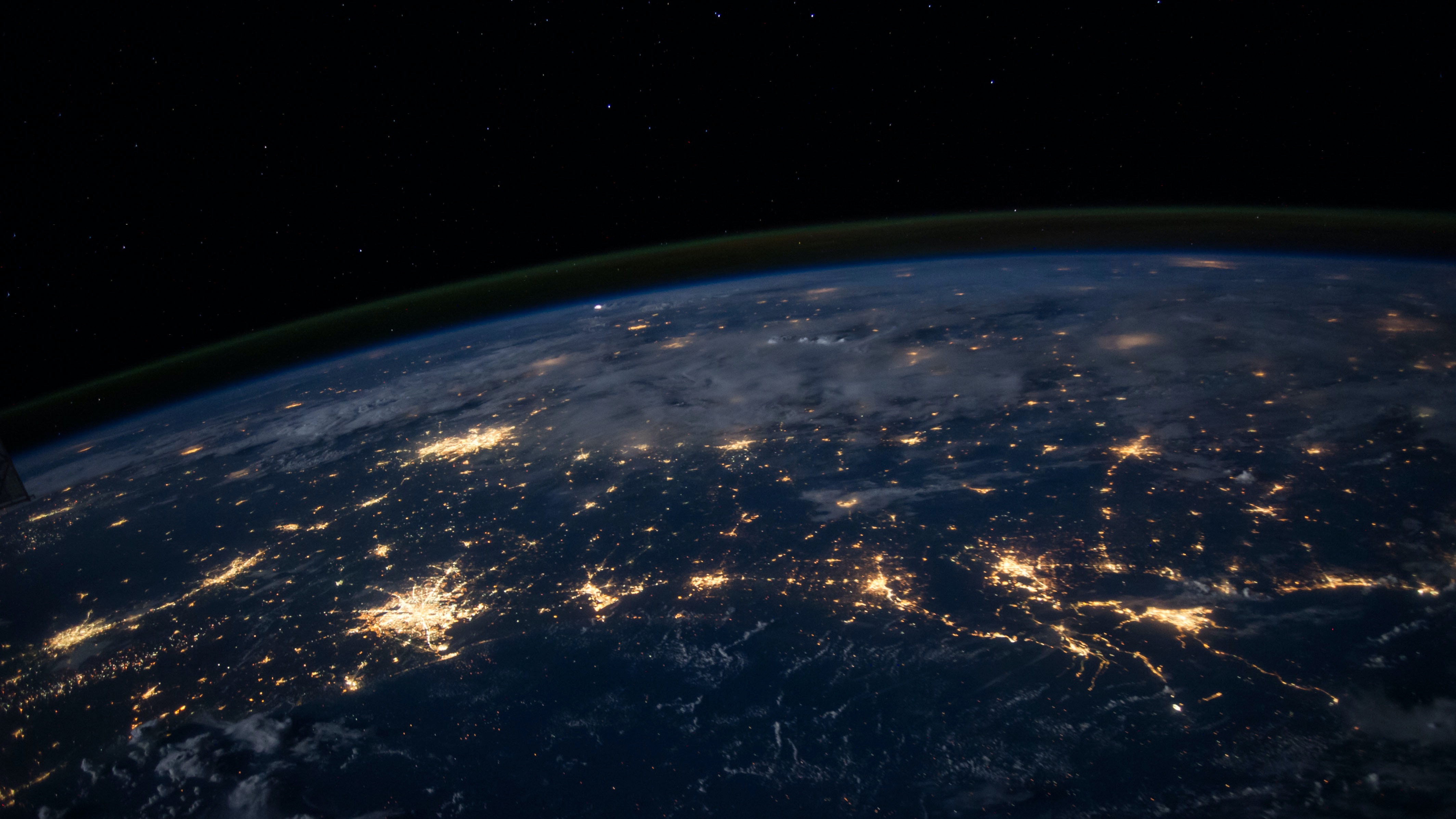
As we ascend beyond the atmosphere, we leave behind the familiar sights and sounds of Earth and enter a new world of infinite darkness and silence. The stars twinkle like diamonds in the inky blackness of space, and the only sound we hear is the hum of the spacecraft's engines. Looking back, we see the blue-green globe of our planet, a fragile and beautiful oasis floating in the void of space.
Space exploration has been a part of human history for decades. In 1957, the Soviet Union launched the first artificial satellite, Sputnik 1, into orbit. This sparked a space race between the Soviet Union and the United States, leading to several significant achievements. In 1961, Yuri Gagarin became the first human to journey into space. The pinnacle of the space race came in 1969, when the United States successfully landed astronauts on the moon during the Apollo 11 mission. Since then, space exploration has continued with the launch of space probes, orbiting telescopes, and space stations. Today, many countries and private companies are actively involved in space exploration, with the goal of exploring further into our solar system and beyond.
Here's a timeline of important moments in history of space.
Sputnik 1
The Soviet Union launches the first artificial satellite, Sputnik 1, into orbit, marking the beginning of the space age.
Yuri Gagarin
Yuri Gagarin becomes the first human to journey into space, completing a single orbit of the Earth.
Apollo 11
The United States successfully lands astronauts Neil Armstrong and Edwin "Buzz" Aldrin on the Moon during the Apollo 11 mission, marking the first time humans have set foot on another celestial body.
Lunokhod 1
The Soviet Union's Lunokhod 1 becomes the first remote-controlled robot to explore another celestial body, landing on the Moon and transmitting data back to Earth.
Voyager Missions
NASA's Voyager 1 and Voyager 2 spacecraft are launched, embarking on a mission to explore the outer planets of our solar system and beyond.
Hubble Space Telescope
NASA's Hubble Space Telescope is launched, providing unprecedented views of the cosmos and revolutionizing our understanding of the universe.
ISS
The first components of the International Space Station (ISS) are launched, beginning the largest collaborative space project in history.
Curiosity Rover
NASA's Curiosity rover lands on Mars, equipped with more advanced scientific instruments than previous rovers, boosting our knowledge of Mars.
Rosetta Spacecraft
The European Space Agency's Rosetta spacecraft becomes the first spacecraft to orbit a comet, landing its Philae probe on the surface.
Artemis III Mission
Artemis III is launched by NASA, marking the first time since Apollo 11 that humans have set foot on the moon.
Luna Base
The first human settlement on the moon is built for permanent occupation.
Ares Mission
NASA and the ESA launch the Ares Mission in a global collaborative effort, and humans set foot on Mars for the first time ever.
Present Day
Each of these milestones has pushed the boundaries of what we know about the universe and our place in it, from the first steps on the moon to the ongoing search for life beyond Earth. Space exploration has led to countless technological advancements and scientific discoveries. Today, the sky is no longer the limit.